
On 11 November, researchers from the Clinical Biochemistry, Drug Delivery and Therapy Group at the Fundació Hospital Universitari Vall d’Hebron – Institut de Recerca (VHIR) took part in Science Week with an educational activity designed to bring nanomedicine closer to young students. Among the participating researchers was Vicenzo Montanarella, SPM4.0 Doctoral Candidate, who played a key role in introducing primary school children to the world of nanoparticles through an interactive workshop, laboratory visit and science outreach session.
The activity was organised within the framework of the 30th edition of Science Week (Setmana de la Ciència), an annual initiative coordinated by the Catalan Foundation for Research and Innovation (FCRI) with the support of the Government of Catalonia. Held from 7 to 16 November across Catalonia, the programme brings together research centres, universities and scientific institutions to promote public engagement with science and technology through a wide range of free activities. By encouraging dialogue between researchers and society and fostering scientific vocations among younger generations, Science Week aims to make scientific knowledge more accessible to all.
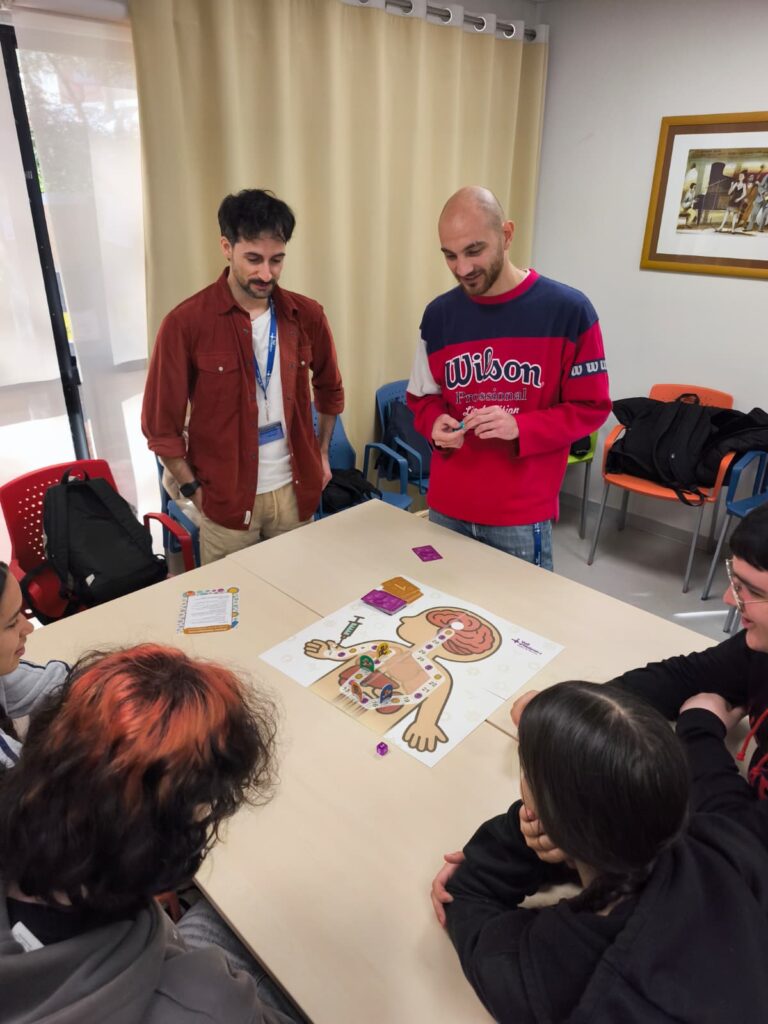
As part of the Science Week, 25 primary school students aged 8–10 visited VHIR and participated in “Mission NanoAgents: The Journey of a Nanoparticle”, an educational board game that combines learning and play to explain how nanoparticles can be used in cancer treatment. Through a collaborative and engaging experience, participants followed the journey of a nanoparticle travelling through the human body towards a tumour, overcoming biological barriers such as the immune system and the blood-brain barrier along the way.
Throughout the game, students advanced across the board by completing challenges, answering questions and solving scientific tasks related to nanotechnology and biomedicine. The activity was designed to stimulate curiosity, critical thinking and creativity while making complex scientific concepts accessible to a young audience.
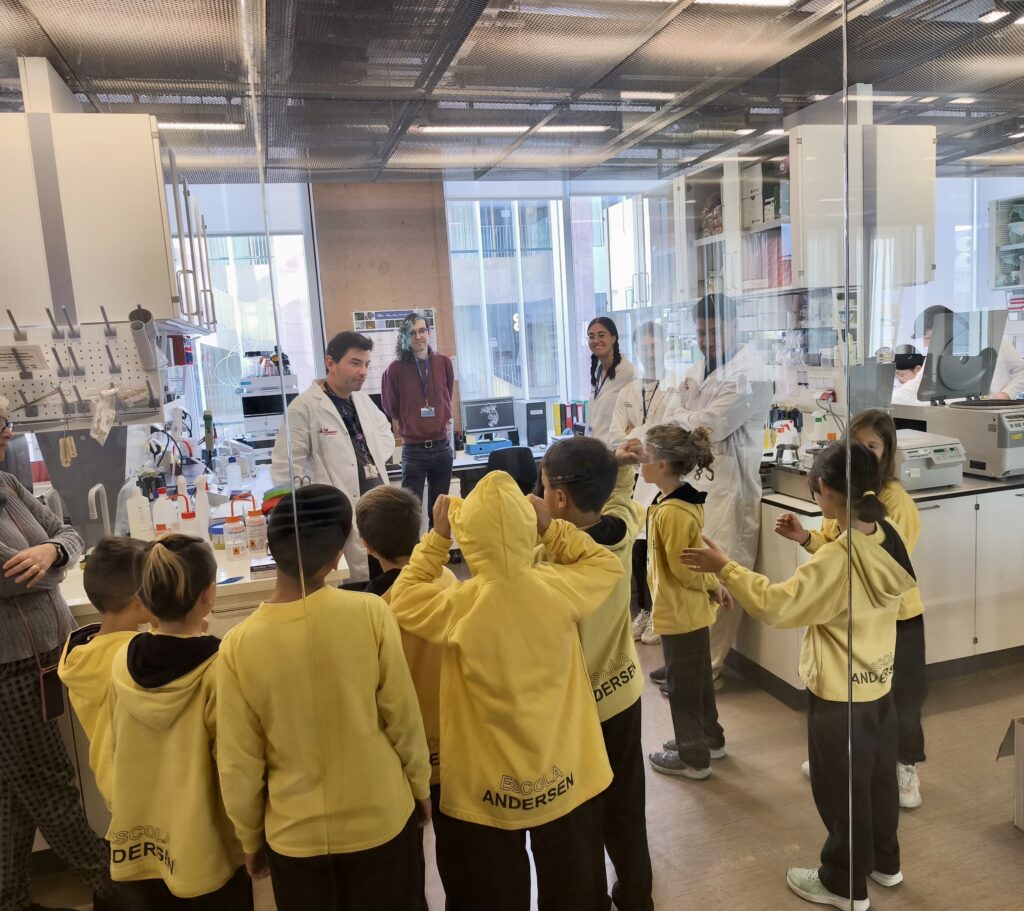
The activity also included a guided visit to the laboratory facilities at VHIR. During the visit, researchers explained, in a simple and age-appropriate way, how nanoparticles are developed in the laboratory and why they are being investigated as targeted treatments for different diseases. The students showed great enthusiasm throughout the session, actively participating, asking numerous questions and demonstrating a strong interest in the research being carried out.
By participating in initiatives such as Science Week, the SPM4.0 project continues to support the dissemination of scientific knowledge beyond the research community and to encourage interest in STEM disciplines among younger generations. These activities help make cutting-edge research more accessible while inspiring future scientists through direct engagement with science.