
TW2
Instructors
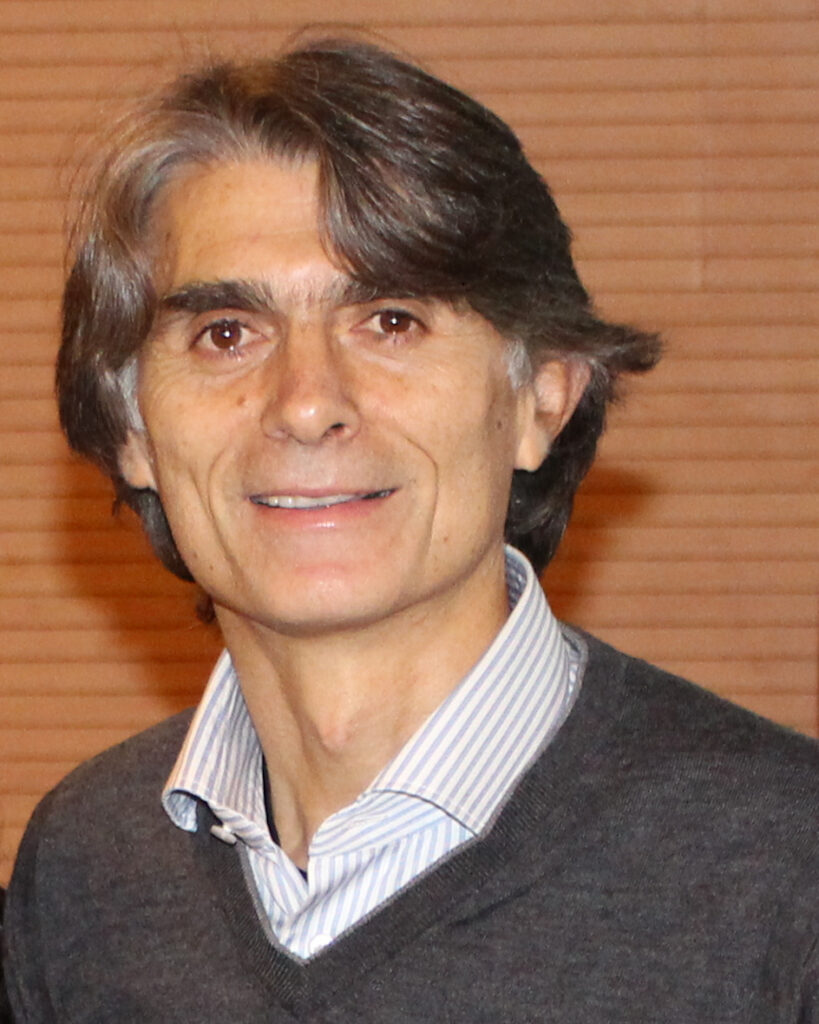
Ricardo Garcia
r.garcia@csic.es
Ricardo Garcia combines experiments, theory and simulations to develop advanced force microscopes for the characterization of soft materials and solid-liquid interfaces. He has contributed to the development of the most popular AFM mode (tapping mode AFM). RG is the inventor of bimodal AFM and organizer of the Multifrequency AFM conference series. He has contributed to the development of Scanning Probe Lithography. Some of his inventions have been commercialized. RG is the author of a book entitled Amplitude modulation AFM, Wiley-VCH (2010) with editions in English and Chinese. RG is a top 0.1 % scientist according to the most comprehensive and rigorous study on scientific impact (J.P.A. Ioannidis, 2025). Garcia has received several honours such as the Prize Miguel Catalan to the Best Scientific Career by the Regional Government of Madrid (Spain, 2022) or the Nanotechnology Recognition Award by the American Vacuum Society (2016). In 2013 he was awarded an Advanced Research grant by the European Research Council. He is a Fellow of the American Physical Society. Currently he is a Professor of Nanotechnology at Spanish National Research Council in Madrid.
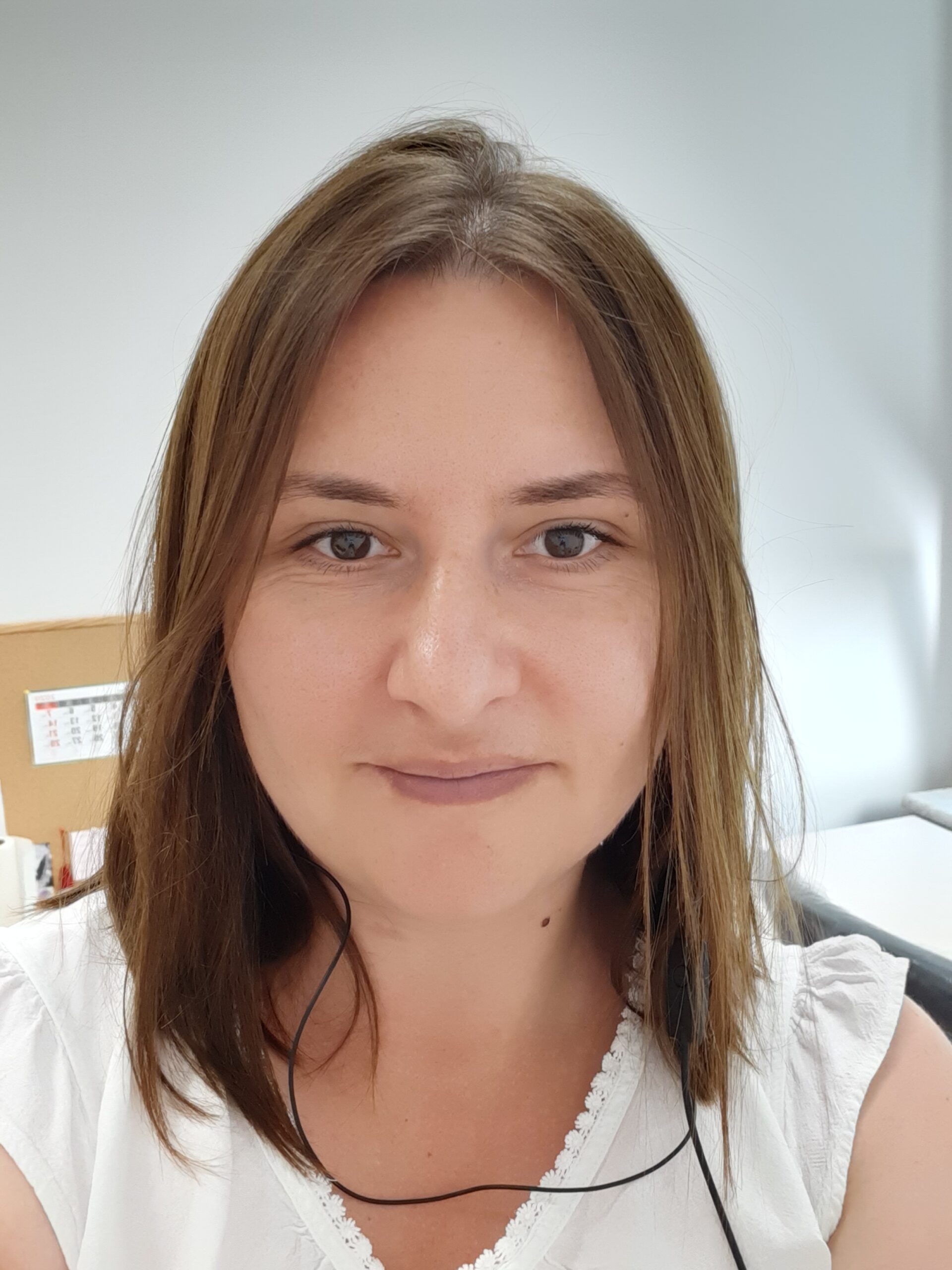
Joanna Zemla
joanna.zemla@ifj.edu.pl
Joanna Zemła is an Associate Professor of Biophysics in the Division of Interdisciplinary Research at the Institute of Nuclear Physics, Polish Academy of Sciences. Her research focuses on the mechanical properties of biological cells and tissues, particularly in the context of disease-related processes. She applies advanced nanomechanical approaches, primarily atomic force microscopy (AFM), to investigate cell rheology, viscoelasticity, and biomechanical responses at both single-cell and tissue levels.
Dr. Zemła has authored approximately 50 publications and book chapters in international scientific journals and has led several competitively funded research projects. She completed her postdoctoral training at the University Grenoble Alpes and has held visiting researcher or visiting professor positions at the Norwegian University of Science and Technology (NTNU), the Ruđer Bošković Institute, ENS de Lyon, and Ulster University. She is a member of the European Biophysical Society. In 2023, she received the European Biophysical Society Award for the best paper published in the European Biophysics Journal.
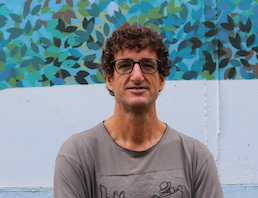
Gabriel Gomila
ggomila@ibecbarcelona.eu
Gabriel Gomila has got a PhD in Physics from the University of Barcelona (1997) with a thesis based on the theoretical modelling of electron transport at semiconductor interfaces. Later on, he was post-doctoral researcher at three different universities in Italy, France and Spain where he specialized in the theoretical modelling of nanoescale electronic devices. In 2001 he moved to the Department of Electronics at the University of Barcelona thanks to a Ramon y Cajal fellowship, where he expanded his research interests towards the merge of electronics and biological fields, thus focusing on microsystems for biological applications on-a-chip and on Atomic Force Microscopy for the electrical study of biological samples. In 2005 he became Associate Professor at the University of Barcelona and in 2008 Group Leader at IBEC, and in 2014 he was awarded with the ICREA Academia prize, which recognizes and promotes the research excellence of the university staff of Catalonia. Since 2017 he is Full Professor at the Department of Electronics of the University of Barcelona.
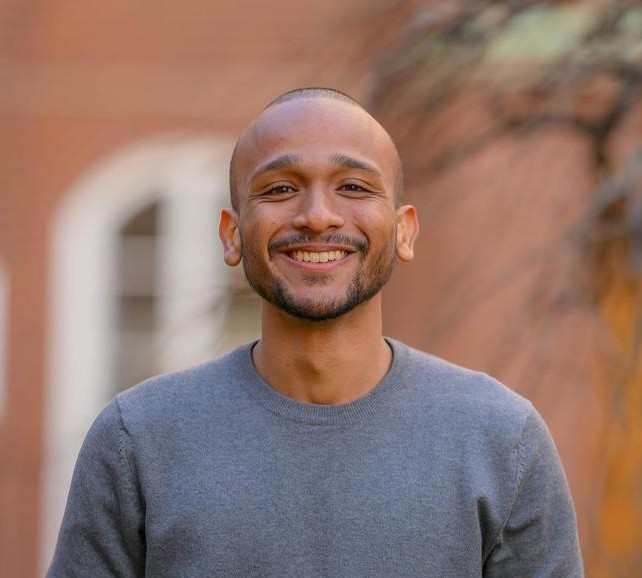
Jesús Pineda
jesus@iflai.com
Jesús Pineda earned his PhD in physics at the University of Gothenburg, where his research focused on the intersection of deep learning and computer vision. He is currently AI Research & Development Lead at IFLAI AB and a visiting researcher at the University of Gothenburg. His work centers on applying deep learning to extract insights from microscopy data, and he has co-authored several articles in high-impact journals. He is also a co-author of the book Deep Learning Crash Course and a core developer of the deep learning software packages DeepTrack and Deeplay.
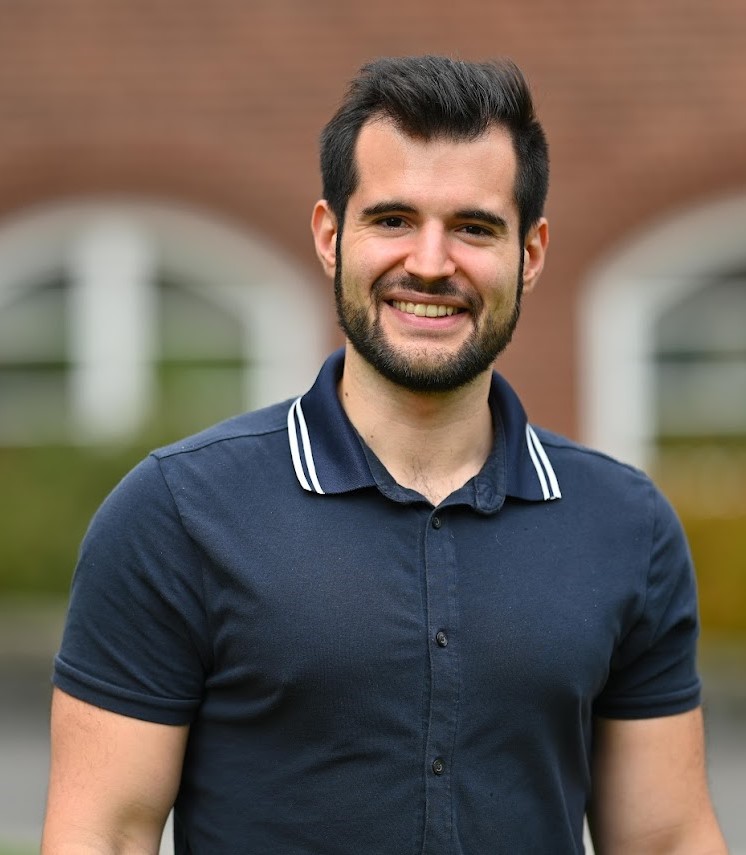
Henrik Klein
henrik@iflai.com
Henrik Klein earned his PhD in Physics & AI from Chalmers University of Technology in Sweden, specifically focused on developing data-efficient AI for microscopy, spectroscopy and spectrometry analysis. Afterwards, he co-founded IFLAI AB and is active operationally as CTO. Additionally, he is co-author of Deep Learning Crash Course, a hands-on programming textbook focused on programming complex AI from scratch and have spoken and organized numerous conferences within AI for scientific data analysis.
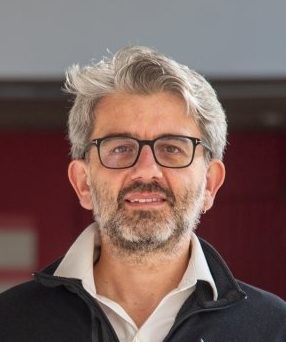
Carlo Manzo
carlo.manzo@uvic.cat
Carlo Manzo is an Associate Professor of Biophysics at the Universitat de Vic – Universitat Central de Catalunya (UVic-UCC), where he leads the Quantitative BioImaging Lab (QuBI). His research integrates biophysics, advanced optical microscopy, and artificial intelligence, with a strong emphasis on single-molecule imaging and the quantitative analysis of biological systems. He is a former Ramón y Cajal fellow and recipient of the Pérez Payà Prize from the Sociedad de Biofísica de España. He has authored more than 50 publications in leading international journals and has led multiple competitively funded research projects. He is actively involved in international community initiatives, including the organization and leadership of the Anomalous Diffusion (AnDi) Challenges, which promote reproducible and quantitative benchmarking of data-driven methods. Carlo Manzo is also co-author of the book Deep Learning Crash Course (No Starch Press).
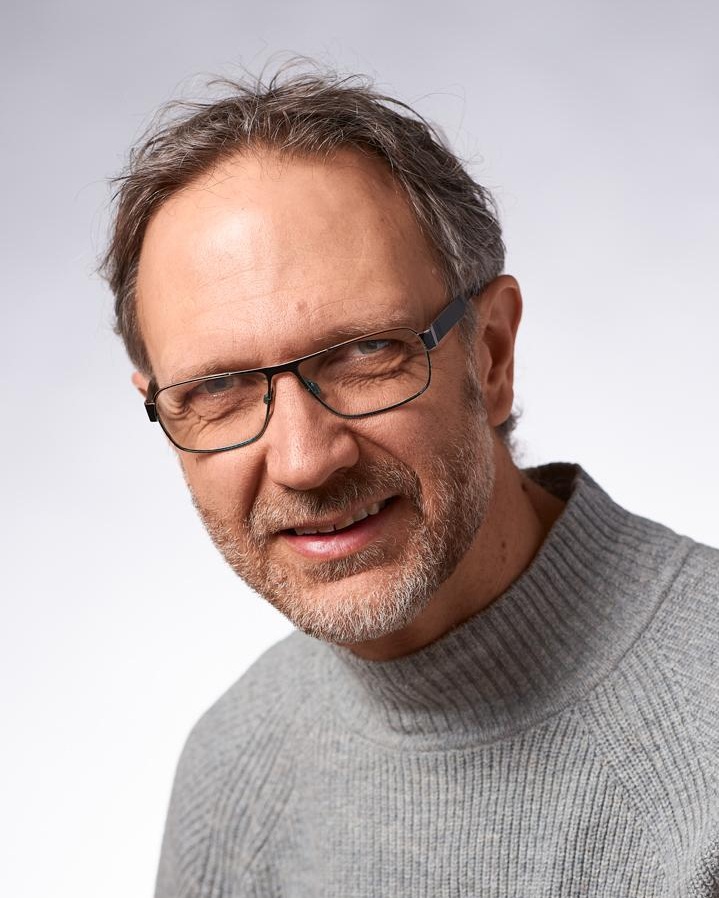
David Rayner
david.rayner@gu.se
Dr. David Rayner is training coordinator and a research data advisor at the Swedish National Data Service (SND). SND is a national research infrastructure that helps researchers make all types of digital research data accessible and is dedicated to advancing FAIR (Findable, Accessible, Interoperable, Reusable) principles across scientific domains. Dr. Rayner supports researchers and institutions in designing workflows that enhance transparency, reproducibility, and impact. He leads hands-on data-management training for academic and professional audiences and contributes practical information on research data management for the national web portal Researchdata.se.
Courses
| TW 2: Advanced SPM, Machine Learning for Microscopy, Biophysics and Data MGN (CSIC, 5 days, Month 18) |
| C5. Quantitative functional SPM nanoscale imaging (CSIC, 1.5 days): Functional vs topographic imaging modes. Nanomechanical mapping (elastic and viscoelastic properties). Nanoelectrical mapping (conductive and dielectric properties). Quantitative functional SPM. CSIC is a world leader in SPM nanomechanical mapping. |
| C6. Machine and Deep Learning in microscopy (UGOT, 1.5 days): The perceptron. Single layer artificial neural networks. Deep and Convolutional neural networks. Selected applications: trajectory prediction, computer vision, feature extraction, classification. UGOT organizes regularly PhD courses on deep learning for microscopy. |
| C7. Mechanical and electrical properties of biologicalsamples (IFJPAN, 1 day): Mechanical and electrical physical magnitudes. Macroscopic and microscopic techniques (rheometry, deformability cytometry, electrophoresis, patch clamp, optical tweezers, SPM). IFJPAN pioneered SPM nanomechanical biomeasurements. |
| N1. FAIR Data Management (IFLAI, 1 day): FAIR data principles: making data findable, how to gain access to them, compatibility with other data, and possible to reuse. FAIR data principles as integral part of the work within open science. IFLAI is and AI based SME and has wide experience in data management training. |
Program
| Tue 14 | Wed 15 | Thu 16 | Fri 17 | |
|---|---|---|---|---|
| 9:00 to 11:00 | C5. Quantitative functional SPM nanoscale imaging Organiser: R. Garcia | C7. Mechanical and electrical properties of biological samples Organiser: M. Lekka | C6. Machine and Deep Learning in microscopy Organiser: G. Volpe | N1. FAIR Data Management Organiser: Matthias Goksör |
| 11:30 to 13:30 | Instructor: R. Garcia | Instructor: G. Gomila | Instructors: J. Pineda/ H. Klein/ C. Manzo | Instructor: David Rayner |
| 11:30 to 13:30 | Instructor: J. Zemla | Instructors: R. Garcia/G. Gomila | Instructors: J. Pineda/ H. Klein/ C. Manzo | Instructor: David Rayner |